
Few ingredients have generated as much buzz in aesthetic circles over the past year as exosomes. Positioned by some as the natural successor to polynucleotides, and by others as the most misunderstood ingredient in the regenerative medicine space, exosomes sit right at the intersection of genuine scientific promise and regulatory grey area which makes them essential reading for anyone stocking or considering stocking regenerative treatments in 2026.
This guide breaks down what exosomes actually are, what the current evidence supports, where the UK’s regulatory position stands today, and what that means for clinics looking to stay both competitive and compliant.
What Are Exosomes?
Exosomes are microscopic extracellular vesicles tiny particles released naturally by almost every cell in the body. Their job is intercellular communication: they carry proteins, lipids, and genetic material (including microRNA) between cells, effectively acting as biological messengers that tell tissue how to behave.
In a regenerative context, this messaging function is the whole appeal. When a cell is stressed, ageing, or damaged, exosomes released from healthier or more active cells can signal nearby tissue to switch into repair mode encouraging processes like collagen synthesis, reduced inflammation, and improved blood vessel formation. This is why exosomes have attracted such intense research interest not just in aesthetics, but in wound healing, hair restoration, and orthopaedic medicine.
Exosomes used commercially can be derived from several different sources human cells, animal cells, plants, or laboratory-synthesised platforms and the source matters enormously, both biologically and legally, which we’ll come back to.

Exosomes Clinical Interest
The current wave of interest in exosomes follows a similar arc to the one polynucleotides went through a couple of years ago: strong early clinical interest, a wave of early-adopter clinics, and a market still working out where the evidence, the regulation, and the hype actually line up.
Clinically, the areas generating the most attention are:
- Post-procedure recovery — using exosomes to accelerate healing and reduce downtime after treatments like microneedling, laser resurfacing, or radiofrequency
- Skin quality and texture — supporting collagen remodelling, tone, and hydration as part of a broader skin-health protocol
- Hair restoration — early research suggests exosomes may help reactivate dormant hair follicles by influencing the signalling pathways involved in hair growth, making them of interest alongside existing hair treatments
- Scar and photodamage support — as an adjunct to energy-based devices, where exosomes are applied to skin that’s already been made more receptive by microneedling or similar techniques
It’s worth being precise about language here: exosomes are being explored as an adjunct to established treatments rather than a standalone replacement for them. The strongest current evidence supports their use in combination with microneedling or energy-based treatments, not as an isolated therapy.
The UK Regulatory Picture Read This Before Anything Else
This is the part of the exosome conversation that matters most for anyone running or supplying a clinic, and it’s more restrictive than a lot of the marketing around exosomes would suggest.
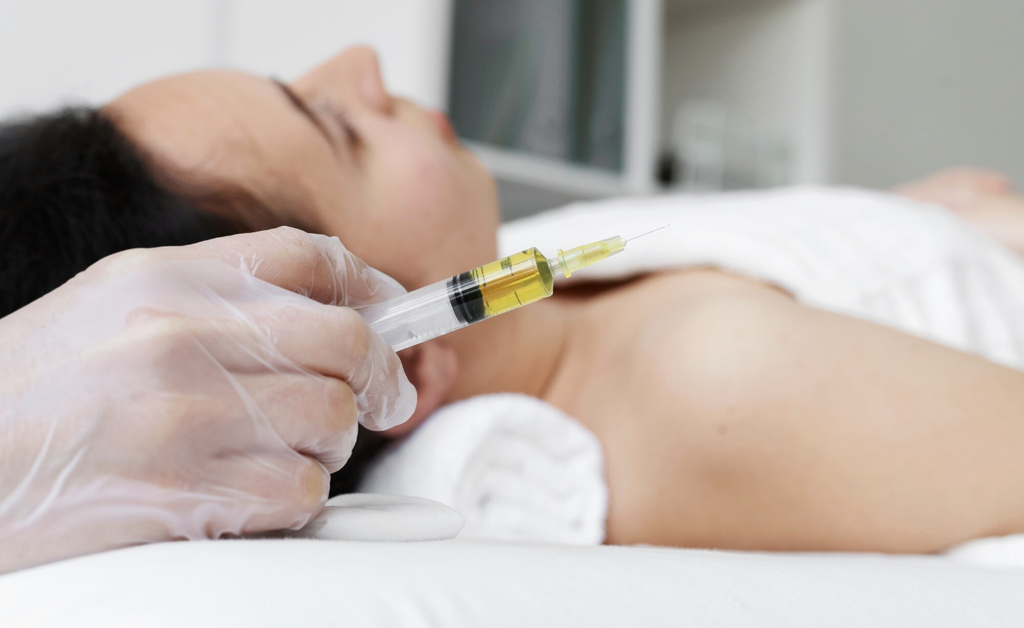
Injectable exosomes are not currently approved for cosmetic use in the UK. The MHRA (Medicines and Healthcare products Regulatory Agency) classifies injected exosomes as medicinal products not cosmetic ingredients. Meaning they fall outside what can lawfully be offered in an aesthetic clinic setting.
This is regardless of whether they’re injected intradermally, subcutaneously, or otherwise. This applies to exosomes from any source, but is a particular concern where products are marketed as human-derived or “stem-cell exosomes,” which have no UK marketing authorisation at all.
Exosomes may also fall under the UK’s framework for Advanced Therapy Medicinal Products (ATMPs) the same regulatory category covering gene therapies and tissue-engineered products which requires a specific authorisation pathway before any such product can legally reach the market.
Topical use is a different picture. Applying exosomes to the skin’s surface particularly straight after microneedling, when the skin barrier has been temporarily disrupted and can absorb topical actives more effectively sits in a more established regulatory space, similar to other topical cosmetic actives. This is currently the main lawful route for UK clinics to work with exosomes.

For practitioners, the practical takeaways are:
- Injectable exosome products, especially anything marketed as human-derived, should be treated as a regulatory red flag. If a supplier can’t clearly explain a product’s regulatory status, that’s a reason to pause, not proceed.
- Insurance cover is not guaranteed. Aesthetic insurers have flagged that standard liability policies may not extend to exosome treatments, particularly where a product isn’t CE-marked for the intended use or the supplier doesn’t meet MHRA standards. It’s worth checking with your insurer before introducing any exosome-based treatment, even a topical one.
- Advertising claims need care. The Advertising Standards Authority (ASA) has taken an active interest in aesthetic marketing claims generally, and language implying medicinal, curative, or anti-ageing benefits from an unregulated cosmetic product can cross into problematic territory quickly.
None of this means exosomes are a dead end quite the opposite. It means the current opportunity lies in topical, adjunctive use, done properly, while the injectable side of the market continues to mature alongside the regulatory framework.
The Evidence So Far
It’s worth separating biological plausibility from proven clinical benefit, because the two get blurred often in exosome marketing. The underlying science is genuinely well established exosomes’ role in cell-to-cell communication is not in question, and the mechanisms involved (matrix remodelling, new blood vessel formation, and modulation of the immune response) are documented in peer-reviewed research spanning wound healing, orthopaedics, and regenerative medicine more broadly.
Where things get murkier is in translating that mechanism into predictable, measurable aesthetic outcomes. A biological pathway existing is not the same as a specific commercial product reliably. Most exosome products on the market haven’t been through the kind of large-scale, controlled human trials that fillers or toxins have. Emerging evidence does support benefit when exosomes are combined with energy-based treatments or microneedling, but robust, product-specific data is still catching up with the pace of commercial interest.
This is a normal part of any new ingredient category’s life cycle polynucleotides went through the same phase before the evidence base caught up with clinic demand but it means practitioner-facing claims should stay firmly in “supports” and “may help” territory rather than guaranteeing outcomes.
Exosomes vs. Polynucleotides: How Do They Compare?
Given how often the two get mentioned in the same breath, it’s worth a direct comparison:
| Polynucleotides | Exosomes | |
|---|---|---|
| What they are | Fragments of purified DNA, typically salmon-derived | Cell-derived vesicles carrying proteins, lipids and genetic material |
| Mechanism | Stimulate tissue repair and hydration via DNA fragment signalling | Cell-to-cell messaging that triggers repair and regeneration pathways |
| UK injectable status | CE-marked products available and used in clinic under current regulation | Not currently approved for injectable cosmetic use |
| Typical use case | Skin quality, hydration, under-eye rejuvenation | Post-procedure recovery, topical skin support, hair restoration research |
| Maturity in UK market | Established, widely stocked | Early-stage, regulation still developing |
For clinics wanting to offer a regenerative, skin-quality-focused treatment today with a clear regulatory pathway, polynucleotide-based skin boosters remain the more established option. Exosomes are one to watch closely rather than rush into particularly on the injectable side.
Sourcing: The Questions Worth Asking
If a supplier is offering exosome-based products, a short checklist can save a lot of downstream risk:
- What is the exact source? Human, animal, plant-derived, or synthetic and can the supplier provide documentation, not just a verbal assurance?
- Is the product CE-marked, and for what specific use? A CE mark for one application doesn’t automatically cover another.
- Is the intended route of use topical or injectable? As covered above, this is the single biggest compliance line in the room right now.
- Does the supplier reference MHRA guidance directly, or do they wave the question away? A supplier who can point you to the relevant regulatory framework is one worth doing business with; one who can’t, or won’t, is a warning sign.
- What does your insurer say? Get this in writing before treatment day, not after an incident.
Vist the range of Exosomes here
What This Means for Your Clinic
The exosome conversation is a good example of why sourcing matters just as much as trend-spotting. A supplier who can clearly explain a product’s regulatory classification, CE marking status, and intended route of use isn’t being unhelpful by not stocking every buzzy new ingredient they’re protecting your clinic, your insurance cover, and your patients.
If you’re being approached by suppliers offering injectable exosome products, especially at short notice or without clear documentation on sourcing and regulatory status, it’s worth treating that as a prompt to ask more questions rather than move faster. The clinics that will benefit most from the eventual maturing of the exosome market are the ones building patient trust on a foundation of transparency now.
Where This Goes Next
Research interest in exosomes shows no sign of slowing. Ongoing work into “cargo-engineered” exosomes vesicles modified to carry specific, targeted signalling molecules along with the development of standardised manufacturing and potency measurement, points toward a future where exosome-based treatments could become a more mainstream part of regenerative aesthetic protocols, provided the regulatory and manufacturing frameworks catch up.
For now, the sensible position for UK clinics is to treat exosomes as an area for education rather than early adoption on the injectable side and to lean on suppliers who prioritise regulatory clarity over being first to market with the next trend.
Aesthetics UK stocks a fully compliant range of skin boosters and polynucleotide treatments, including our Nucleofill and Plinest ranges, for clinics looking to offer regenerative, skin-quality-focused treatments within current UK regulation. Browse our Skin Boosters range or get in touch with our team for guidance on building out a regenerative treatment menu.